
Ink vs Toner: Which One Is Cheaper?
You’re standing in the electronics store, and there it is—that bright yellow price tag screaming “$89 Inkjet Printer!” Right next to it sits a laser printer for $249. Which one do you grab?
If you’re like most people, you’d reach for the inkjet without thinking twice. It’s cheaper, right? Well, not exactly. In fact, that “bargain” inkjet might end up costing you significantly more over time than its pricier laser counterpart.
Let’s clear up the confusion once and for all. The real question isn’t which printer costs less upfront—it’s which one will save you money in the long run. And the answer might surprise you.
Understanding the Difference: Ink vs Toner
Before we dive into costs, let’s get clear on what we’re comparing. Ink and toner are fundamentally different products used in different types of printers.
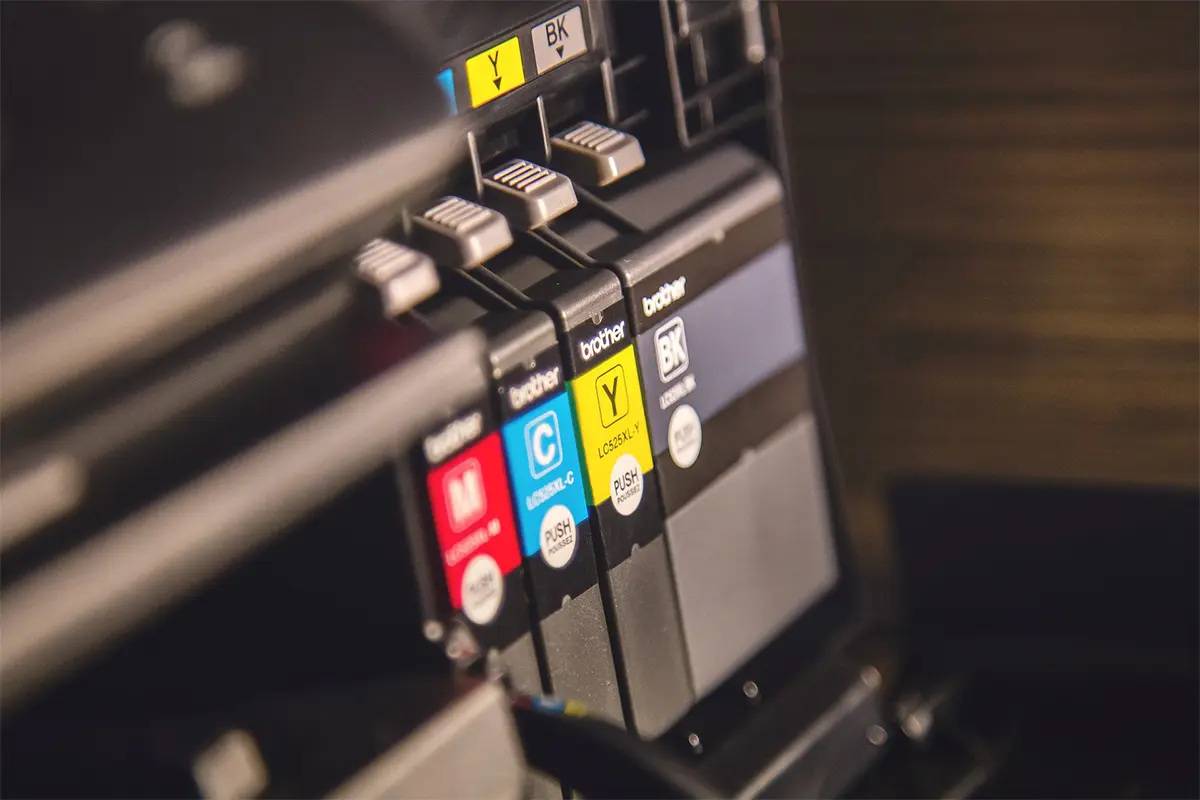
Printer Ink is a liquid—either dye-based or pigment-based—that comes in cartridges for inkjet printers. When you print, tiny droplets of ink spray through microscopic nozzles onto your paper. Think of it like a very precise water gun that shoots colored liquid.
Toner is a fine powder made of plastic particles, carbon, and other materials. It’s used in laser printers, where the powder gets transferred to paper using static electricity, then melted onto the page with heat and pressure. It’s a completely different technology.
These aren’t just different forms of the same thing—they’re more like diesel versus gasoline. Both fuel engines, but they work in completely different ways.
The Upfront Cost Trap
Here’s where most people get fooled. You see an inkjet printer for $60-$100, while a decent laser printer starts at $200-$300 or more. The choice seems obvious when you’re watching your budget.
But printer manufacturers aren’t stupid. They’ve perfected what’s called the “razor and blades” business model. They sell you the printer dirt cheap (sometimes even at a loss), then make their real profit on the expensive cartridges you’ll buy for years to come.
That $89 inkjet? It’s bait. The company knows they’ll make their money back—and then some—when you’re dropping $20-$75 on replacement ink cartridges every few months.
The Real Cost: Cost Per Page
If you want to know which option is actually cheaper, forget about the printer’s price tag. The metric that matters is cost per page (CPP)—literally, how much it costs you to print a single page.
Here’s the simple formula: Cost Per Page = Cartridge Price ÷ Page Yield
Let’s look at some real numbers:
Inkjet Cost Per Page
- Average ink cartridge price: $20-$40
- Average page yield: 150-500 pages
- Cost per black and white page: 5-10 cents
- Cost per color page: 10-20 cents
Laser Toner Cost Per Page
- Average toner cartridge price: $50-$150
- Average page yield: 2,000-5,000+ pages
- Cost per black and white page: 2-5 cents
- Cost per color page: 12-15 cents
See the difference? Yes, that toner cartridge costs $100 compared to a $20 ink cartridge. But the toner prints 2,500 pages while the ink only manages 200. That makes laser printing about 3 cents per page versus 10 cents for inkjet.
Let me put this in perspective: If you need to print 1,100 pages, you’ll spend approximately $165 on ink cartridges but only $51 on toner. That’s a massive difference.
Breaking Down the Numbers
Let’s say you’re running a small business and you print about 500 pages a month. Here’s what that looks like over a year:
Inkjet Printer:
- 500 pages/month × 12 months = 6,000 pages/year
- At 10 cents per page = $600/year in ink costs
- Plus printer cost ($100) = $700 first year
Laser Printer:
- 6,000 pages/year
- At 3 cents per page = $180/year in toner costs
- Plus printer cost ($250) = $430 first year
Even in the first year, the laser printer saves you $270. In year two? You’re saving $420. Over four years, you’d save nearly $1,700 with the laser printer.
But Wait—There’s More to Consider
Cost per page isn’t the only factor. There are several other hidden costs and benefits that can tip the scales one way or another.
Ink Cartridges Can Dry Out
Here’s something nobody tells you at the store: ink cartridges dry out, even when you’re not using them. If you print infrequently, you might find yourself replacing cartridges not because they’re empty, but because they’ve dried up or clogged your printhead.
Toner is a dry powder, so it doesn’t have this problem. You can leave a laser printer sitting for months without any issues. For businesses that print sporadically, this is a huge advantage.
Page Yield Reality
The page yield numbers manufacturers advertise are based on 5% coverage—basically, printing a page that’s mostly blank with just a little text. In reality, most documents use more ink than that.
If you’re printing graphics, photos, or heavily formatted documents, your actual page yield will be lower than advertised. This affects both ink and toner, but it hits inkjet users harder because they’re already starting from a lower baseline.
Printing Speed
Time is money, right? Laser printers are significantly faster than inkjets. While an average inkjet prints 5-10 pages per minute, laser printers typically pump out 20-40 pages per minute. High-end models can exceed 50 pages per minute.
If you’re printing large documents regularly, those minutes add up. Less time waiting at the printer means more time actually working.
Cartridge Replacement Frequency
With an ink cartridge lasting only 150-500 pages, you might find yourself changing cartridges several times a month in a busy office. Toner cartridges lasting 2,000-10,000 pages mean fewer interruptions, less hassle, and more consistent workflow.
Think about it: Do you really want to deal with running to the store (or waiting for shipping) every couple of weeks? Or would you rather replace your cartridge a few times a year?
When Ink Actually Makes Sense
Now, before you write off inkjet printers completely, let’s be fair—there are situations where ink is the better choice.
Photo Printing and High-Quality Images
If you’re printing photos, marketing materials with vibrant colors, or anything requiring exceptional color accuracy and detail, inkjet printers excel. They produce richer, more realistic colors than most laser printers.
Professional photographers, graphic designers, and creative businesses often prefer inkjet for this reason. The superior image quality justifies the higher cost per page.
Low-Volume Printing
If you only print occasionally—maybe 20-30 pages a month—the math changes. The upfront savings of a $60 inkjet might outweigh the higher cost per page because you’re simply not printing enough to make the difference significant.
For a home user who prints a few documents occasionally and doesn’t need speed, an inkjet makes perfect sense.
Printing on Specialty Media
Need to print on fabric, glossy photo paper, transparencies, or other specialty materials? Inkjet printers handle these materials much better than laser printers, which work best on plain paper.
The Tank Printer Game-Changer
There’s a relatively new category worth mentioning: ink tank printers (sometimes called “supertank” or “EcoTank” printers). These flip the traditional inkjet model on its head.
Instead of tiny, expensive cartridges, these printers have large refillable tanks that you fill with bottles of ink. The upfront cost is higher—around $200-$400—but the ink bottles are cheap, often $10-$20 each, and they print thousands of pages.
Some tank printers achieve costs as low as 0.2-0.3 cents per black and white page, which actually beats laser printers. If you want the flexibility of inkjet printing with laser-like economics, tank printers are worth considering.
When Toner Is the Clear Winner
For most business scenarios, toner comes out ahead. Here’s when laser printers are the obvious choice:
High-Volume Printing
If you’re printing more than 500 pages a month, laser printers are almost always more economical. The cost per page savings multiply with volume, and the faster printing speeds keep productivity high.
Text-Heavy Documents
For reports, contracts, invoices, spreadsheets, and other text-heavy documents, laser printers produce crisp, professional results quickly and cheaply. The text quality is excellent and won’t smudge or run.
Infrequent But Consistent Use
Because toner doesn’t dry out, laser printers are perfect for offices that might print heavily one week and barely touch the printer the next. You won’t waste money on dried-out cartridges.
Shared Office Printers
In an office where multiple people are printing throughout the day, the durability and speed of laser printers shine. They’re built to handle higher monthly duty cycles without breaking down.
Color Adds Complexity
We’ve mostly talked about black and white printing, but what about color?
Color printing gets expensive fast, regardless of technology. However, the gap between ink and toner narrows somewhat:
- Color inkjet: 10-20 cents per page (sometimes more for photos)
- Color laser: 12-15 cents per page
For color documents, inkjets are often still more expensive per page, but the difference is smaller. However, if you’re printing lots of color documents, a color laser printer’s higher upfront cost (often $400-$600+) still pays off through lower per-page costs and faster speeds.
The Hidden Wild Card: Third-Party Cartridges
There’s another variable that can dramatically change this equation: compatible or third-party cartridges.
Brand-name OEM (Original Equipment Manufacturer) cartridges are expensive. A genuine HP ink cartridge might cost $30-$40, while a compatible version from a third-party manufacturer might cost $10-$15.
The same applies to toner. Original toner cartridges can cost $100-$150, while compatibles might be $40-$60.
Here’s the catch: Third-party cartridges can be hit or miss. Some are excellent quality and work perfectly. Others leak, produce poor print quality, or even damage your printer. If you go this route, buy from reputable suppliers and check reviews carefully.
Also be aware that using third-party cartridges might void your printer’s warranty, though this varies by manufacturer and country.
Making Your Decision
So, which is cheaper—ink or toner? The honest answer is: it depends on how you print.
Choose laser/toner if:
- You print 500+ pages per month
- You mostly print text documents
- You want fast printing speeds
- You print sporadically (to avoid dried cartridges)
- You’re running a business or shared office environment
Choose inkjet/ink if:
- You print fewer than 100 pages per month
- You regularly print high-quality photos or graphics
- You need to print on specialty media
- You want the lowest upfront cost
- You’re okay with more frequent cartridge changes
Consider tank printers if:
- You want inkjet quality with laser-like costs
- You print moderate to high volumes
- You want color printing at reasonable prices
- You can handle a higher upfront investment
The Bottom Line
Here’s what it really comes down to: Don’t let the sticker price fool you. That cheap inkjet printer is designed to lock you into buying expensive cartridges for years. It’s the classic “free razor, expensive blades” trap.
For most businesses and anyone printing regularly, laser printers with toner are significantly cheaper in the long run. Yes, you’ll pay more upfront, but you’ll save hundreds or even thousands of dollars over the printer’s lifetime.
The average employee prints about 34 pages daily. If that’s even remotely close to your situation, do the math. Even if you’re just printing a few hundred pages per month, toner almost always wins on cost.
Of course, if you’re printing gorgeous photos or only occasionally need a few pages, inkjet makes perfect sense. There’s no one-size-fits-all answer.
The key is being honest about your actual printing needs and doing the cost-per-page calculation. Don’t just look at today’s purchase price—think about what you’ll spend over the next two, three, or four years.